Endangered Species Classroom Studies
The Bagheera Endangered Species Classroom Studies section provides a number of study sections designed to designed to help learners develop a deeper understanding of specific issues that impact endangered species.
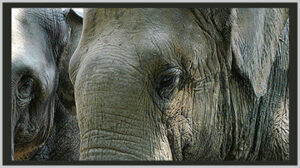
THE EXTINCTION CRISIS: The human species, one of millions of life forms on this planet, is threatening the very existence of many other species. Biological diversity, or biodiversity, is the variety of life forms that interact to support and sustain the balance of nature (continue)
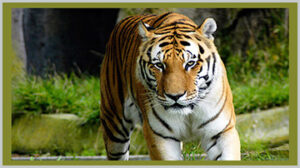
WHY EXTINCTION MATTERS: Should it matter to humans that other life forms are disappearing? Many people think so. Human populations depend on plants and animals for much of their food, medicines, clothing, and shelter. Even more important, intact ecosystems (continue)
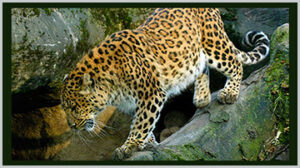
VULNERABLE AND ENDANGERED SPECIES: Under the Endangered Species Act in the United States, a species or subspecies is regarded as “endangered” when it is in danger of extinction throughout all or a significant part of its normal range. A species is considered (continue)
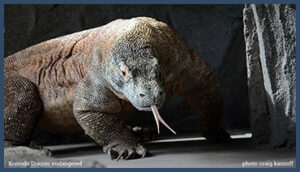
CAUSES OF EXTINCTION: Habitat Loss; Overexploitation; Introduced Species; Global Pollution and Climate Change are all factors contributing to the extinction of species. Learn more about these and other causes of extinction and how they can be addressed (continue)
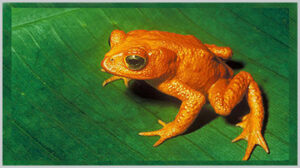
CONSERVATION BIOLOGY: The human species, one of millions of life forms on this planet, is threatening the very existence of many other species. Biological diversity, or biodiversity, is the variety of life forms that interact to support and sustain the balance of (continue)
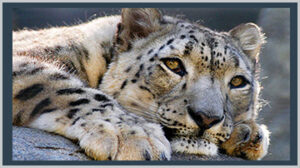
CONSERVATION ACTIONS: There are many ways conservation biologists are addressing the extinction crisis. These include things like establishing protected areas where wildlife habitat is preserved or restored or developing new ways to farm, log, and graze livestock (continue)

QUESTIONS FOR THOUGHT: Society does not have the resources to save every species from human-caused extinction. How should we decide where to put our energy and resources in conserving species? Should we concentrate on the species people like best (continue)