Spotlight on Mass Extinctions
Mass extinctions are episodes in the history of life on Earth during which unusually large numbers of species die off. They stand in contrast to the background rate of extinction, which occurs even when the diversity of life is increasing.
Scientists recognize five major mass extinctions in the Earth’s history. The extinctions are measured in terms of large groups of related species, called families.
The five mass extinction episodes occurred because of major changes in the prevailing ecological conditions brought about by climate change, cataclysmic volcanic eruptions, or collisions with giant meteors.
The sixth mass extinction appears to be in progress now, and the main cause is environmental change brought about by human activities.
Period: Late Ordovician
Years ago: 440 Million
Families Died Out: 20 – 50 %
Tropical areas are hit hardest. No terrestrial vertebrates have evolved yet.
Period: Late Devonian
Years ago: 360 Million
Families Died Out: 20 – 30 %
Many fish and marine invertebrates die out.
Period: End of Permian
Years ago: 250 Million
Families Died Out: 50 %
Greatest mass extinction ever.
Period: Late Triassic
Years ago: 213 Million
Families Died Out: 20 – 35 %
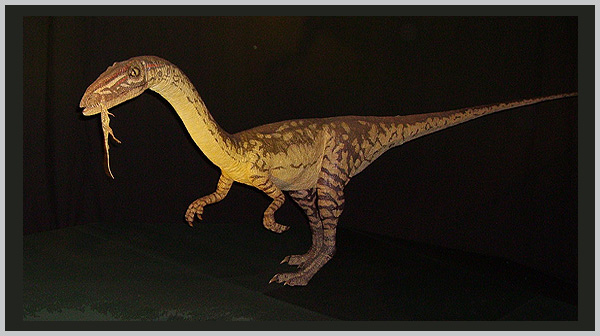
Dinosaurs and mammals had just recently evolved; both live through this extinction.
Period: Late Cretaceous
Years ago: 66 Million
Families Died Out: 15 %
Dinosaurs become extinct, possibly caused by a meteorite colliding with the Earth. Mammals and fishes begin to proliferate.
Period: Holocene
Years ago: Now
Families Died Out: ??? %
Anthropogenic causes
Related Topics:
Case Study on Pleistocene Megafauna
Explore:
Click here for Endangered Species Classroom Activities
Click here for Endangered Species Classroom Glossary